- Call Us: +63 920 973 3658
-
Dr. Ma. Editha Micu-Ramos@MICU Dental Clinic, 2nd Level East Wing, Edsa cor.
Ortigas Avenue, Quezon City, Philippines, 1110
We take great care and delight in staying current with the latest dental technologies and advancements. This means we can provide our clients a wide range of dental-related treatments in which we have years of experience. TMD (Temporomandibular Joint Disorder) and Sleep Apnea are two of these categories, both of which are increasingly affecting Australians. While they can happen on their own, evidence is increasingly pointing to a link between jaw disorders, which can lead to nocturnal teeth grinding, and sleep apnea.


The temporomandibular joint connects the jaw to the skull and allows for complete jaw movement. TMJ issues can result in a variety of uncomfortable symptoms, including:
TMD is thought to have a variety of causes, some of which can be treated by your dentist, such as bad malocclusion, teeth grinding, or other dental issues. In fact, the first step in determining the reasons of TMD and alleviating your discomfort is usually a full dental examination.
When breathing stops during sleep, it’s called sleep apnea. It can be caused by an obstruction in the airway (obstructive sleep apnea) or an issue with the brain’s signal (central sleep apnea). Obstructive sleep apnea causes snoring as your body tries to force air through a partially closed airway. Snoring is often mocked, but it can suggest a more serious problem, in addition to the social (and marital!) issues it can cause. Sleep deprivation makes you exhausted and worn out, as well as disrupting many of the body’s important activities.
Dental appliances that are non-invasive and inexpensive have been beneficial in treating mild to moderate sleep apnea and snoring.
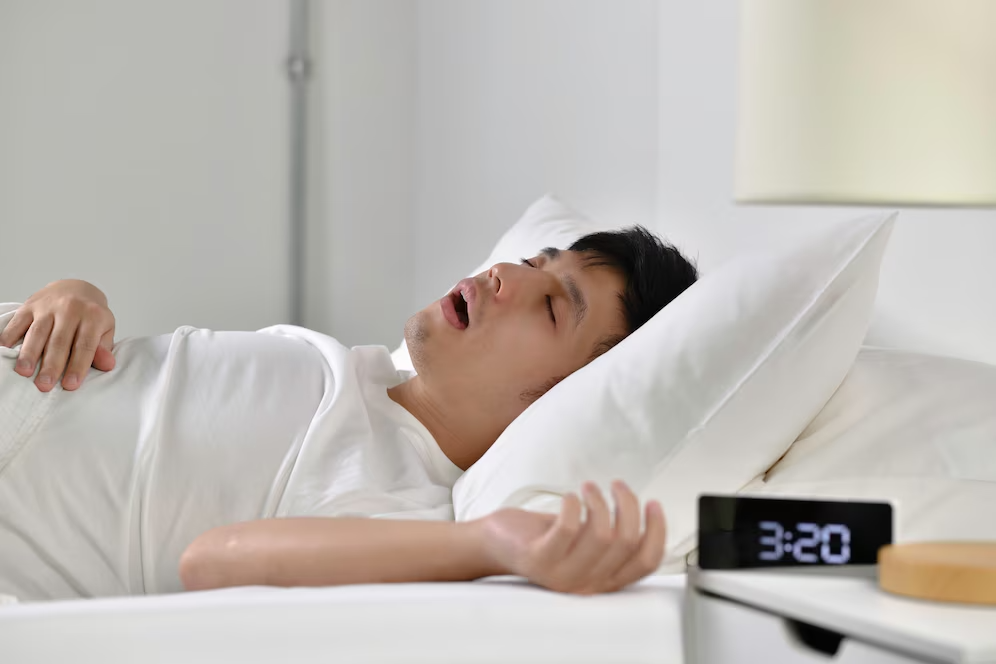

Snoring and TMD: Temporomandibular Joint Disorders (TMD) involve dysfunction of the jaw joint and surrounding muscles. Snoring can exacerbate TMD symptoms due to the strain it places on the jaw and associated muscles during sleep. Additionally, TMD-related issues such as jaw misalignment or muscle tension can contribute to airway obstruction, leading to snoring.
Snoring and Sleep Apnea: Sleep Apnea is a serious sleep disorder characterized by pauses in breathing or shallow breaths during sleep. Snoring is a common symptom of sleep apnea, particularly in obstructive sleep apnea (OSA), where the airway collapses or becomes blocked during sleep. Snoring in OSA is often loud and accompanied by choking or gasping sounds as breathing resumes.
For assistance with TMJ concerns, sleep apnea, or comprehensive dental treatments, feel free to call or message us at +63 920 973 3658. Ask for Dr. Edith or Ms. Beth — we’re here to help!


